
St. Ansgar Criminal History Checks
Start at 111 South Mitchell Street when the record concerns a St. Ansgar police response. The police phone and counter are the direct routes because St. Ansgar provides no report portal or blotter. Move to the Mitchell County Sheriff for a St. Ansgar booking, and to the clerk or Iowa Courts Online when the county attorney has filed a St. Ansgar case. DCI supplies a separate Iowa fingerprint-linked record.
Use this order for a focused St. Ansgar criminal records check:
- Call St. Ansgar Police with the incident date, place, report number, and record type.
- Ask for the releasable police report and confirm the current copy method, cost, and time estimate.
- Contact Mitchell County Jail if the question concerns booking, bond, custody, release, or transfer.
- Search Iowa Courts Online and ask the Mitchell County clerk for filed documents or certification.
- Use Iowa DCI when a statewide fingerprint-supported history, rather than one local event, is needed.
St. Ansgar Police and City Hall
St. Ansgar Police and City Hall share 111 South Mitchell Street. The police number is 641-713-4767. City Hall can serve as a routing fallback at 641-713-4921 or clerk@stansgar.org. Published city hours are weekdays from 7:30 a.m. to noon and 1:00 to 3:00 p.m. Call first because police availability can differ from the clerk’s counter hours.
The official St. Ansgar contact page shows the city contacts and shared location that make this local route work.
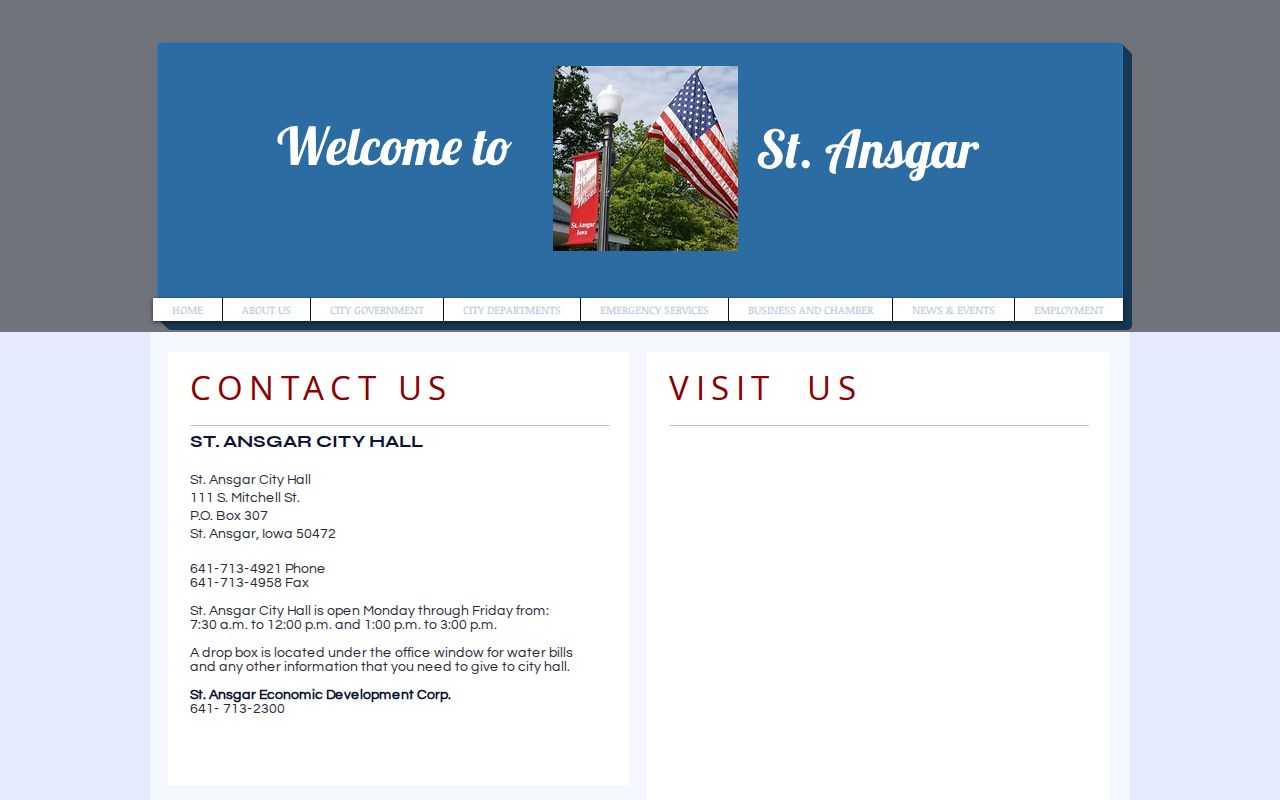
The shared address helps route a request, but the city clerk does not become the custodian of a police report merely by sharing the building.
| City | St. Ansgar, Iowa |
|---|---|
| 2020 Population | 1,160 residents |
| Police Record Holder | St. Ansgar Police Department |
| Booking Office | Mitchell County Sheriff and Jail |
| Trial Court | Iowa District Court for Mitchell County |
Records at the St. Ansgar Police Department
St. Ansgar Police creates incident and arrest reports for its own responses. Its official police page publishes the department contact, but no online request form, report search, daily log, fixed fee, or promised turnaround. Call 641-713-4767 or visit the counter. Describe the precise file instead of asking the city for a broad “criminal history.”
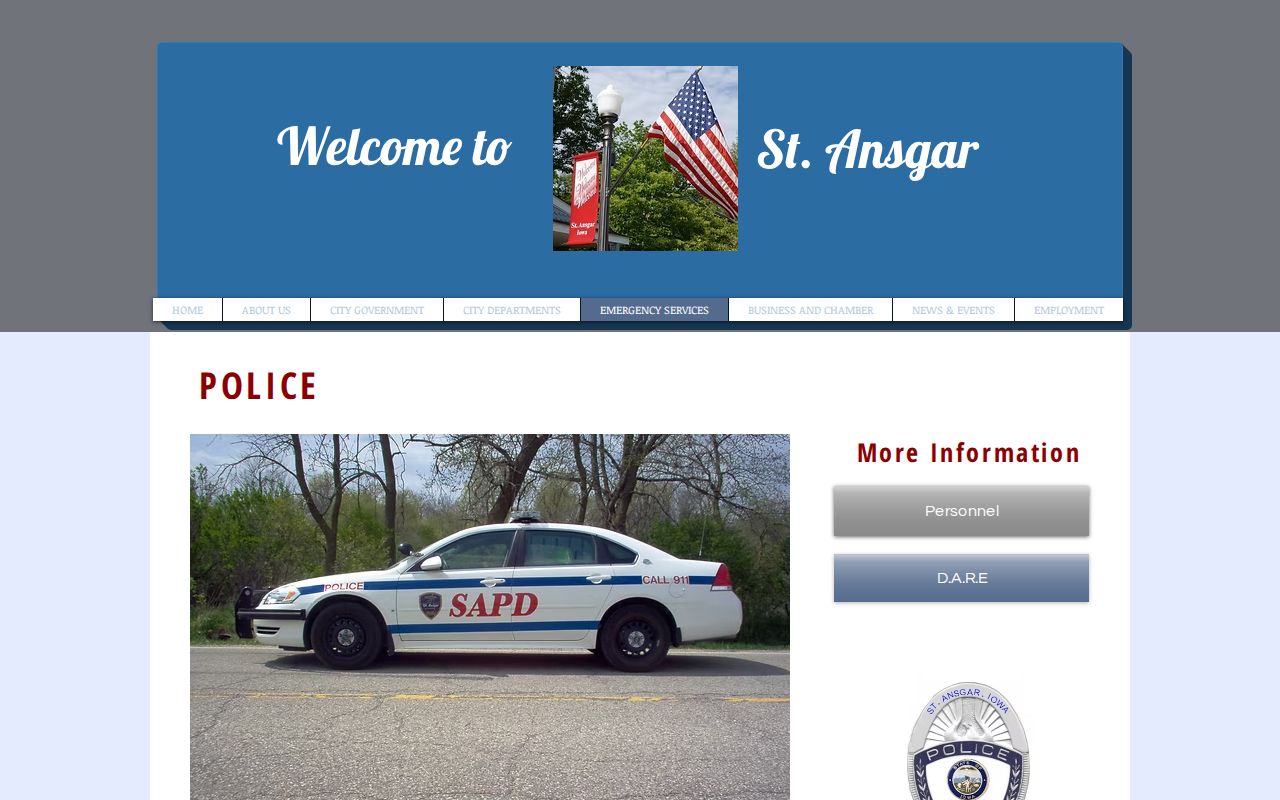
The police page is evidence of the direct city channel. It is not a database, so recent records still require contact with the custodian.
Give the incident date and time range, address or location, event type, report number if known, and preferred copy format. Ask for a cost estimate. If a full investigative narrative is withheld, narrow the request to the date, time, specific place, and immediate facts that can be separated from confidential material.
City police data should also stay distinct from sheriff data. An official Iowa UCR or FBI Crime Data Explorer search must use the St. Ansgar Police agency filter when the goal is city police activity. Mitchell County Sheriff figures cover a broader jurisdiction. No verified current St. Ansgar numeric extract was available in the research, so an unsupported city rate should not be inferred from county totals.
St. Ansgar Police
111 S. Mitchell St.
St. Ansgar, IA 50472
641-713-4767
Call before visiting
When St. Ansgar Has No Form
The lack of a dedicated form does not end a St. Ansgar request. Iowa Public Information Board guidance recognizes in-person, written, telephone, and electronic requests. The police phone is the most direct start. The St. Ansgar clerk’s email can provide a written routing path when police staff instruct the requester to use it.
A good message names the agency and record category, gives a narrow date range and location, identifies any report number, and asks for electronic delivery and a fee estimate. The city has not published a special police fee schedule or identification rule. Do not assume that no fee applies. Reasonable direct costs may be charged and should be communicated.
Note: Confirm with City Hall before placing a records request in the city drop box because no official source approves it for police records.
Booking and Arrest Records in St. Ansgar
A St. Ansgar officer creates the police account of an arrest. When the person is lodged in the local county facility, Mitchell County Jail creates the intake and booking record at 211 South 6th Street in Osage. Those records answer different questions. The police file describes the event; the jail file tracks custody, arrest-stage charges, bond, and release or transfer.
Mitchell County does not publish an official inmate roster or booking log. Call 641-732-4740 for current custody or submit a Chapter 22 request for releasable booking fields. The sheriff cannot supply the city police narrative merely because county jail staff booked the person. The county arrest search routes show the full fallback chain.
Once a charge is filed, Iowa Courts Online can show the case. A booking is not a conviction, and a jail charge may differ from what the county attorney files. Search each source for its own part of the event.
One St. Ansgar Incident, Three Records
A single event can leave a police report, a booking record, and a court case. The records do not appear at the same time. Police write the first narrative. Jail staff add custody data only if a booking occurs. The clerk creates a docket after a charge is filed. DCI adds a repository arrest cycle only when fingerprints are submitted and matched.
| Record | St. Ansgar Route | Best Use |
|---|---|---|
| Police report | St. Ansgar Police | Response, allegations, and immediate circumstances |
| Booking file | Mitchell County Jail | Custody, bond, booking, and release |
| Court case | Mitchell County clerk | Filed charge, hearings, disposition, and sentence |
| DCI history | Iowa DCI | Fingerprint-linked Iowa arrest cycles and reported outcomes |
A no-result from one channel does not erase the other three. An event may produce no booking, a case may be confidential, or DCI may not have received fingerprints.
The St. Ansgar Municipal Court File
There is no St. Ansgar municipal court or city court portal. Iowa’s unified District Court system replaced the former municipal, mayor, police, and justice-of-the-peace courts in 1973. Filed criminal matters go to Iowa District Court in Mitchell County. Municipal infractions may proceed under Iowa Code section 364.22, while city parking tickets do not appear in Iowa Courts Online unless filed with the clerk.
| Court Name | Iowa District Court for Mitchell County |
|---|---|
| Case Types Heard | Filed felony, misdemeanor, OWI, and criminal or traffic matters within state jurisdiction |
| Case Lookup Channel | Iowa Courts Online and the Mitchell County Clerk of District Court |
| What the Docket Shows | Case ID, parties, charges, filings, outcomes, financial entries, and some bond details |
| Copies & Fees | Request from the clerk; no local copy fee was verified in official sources |
St. Ansgar Ordinance or Charge
The city’s official ordinances page is the source for local code, but a code provision is not itself a court record. A municipal infraction is a civil enforcement path. A state criminal charge is filed in District Court. A parking ticket may remain a city matter. The correct route depends on what the citation says and whether it was filed with the clerk.
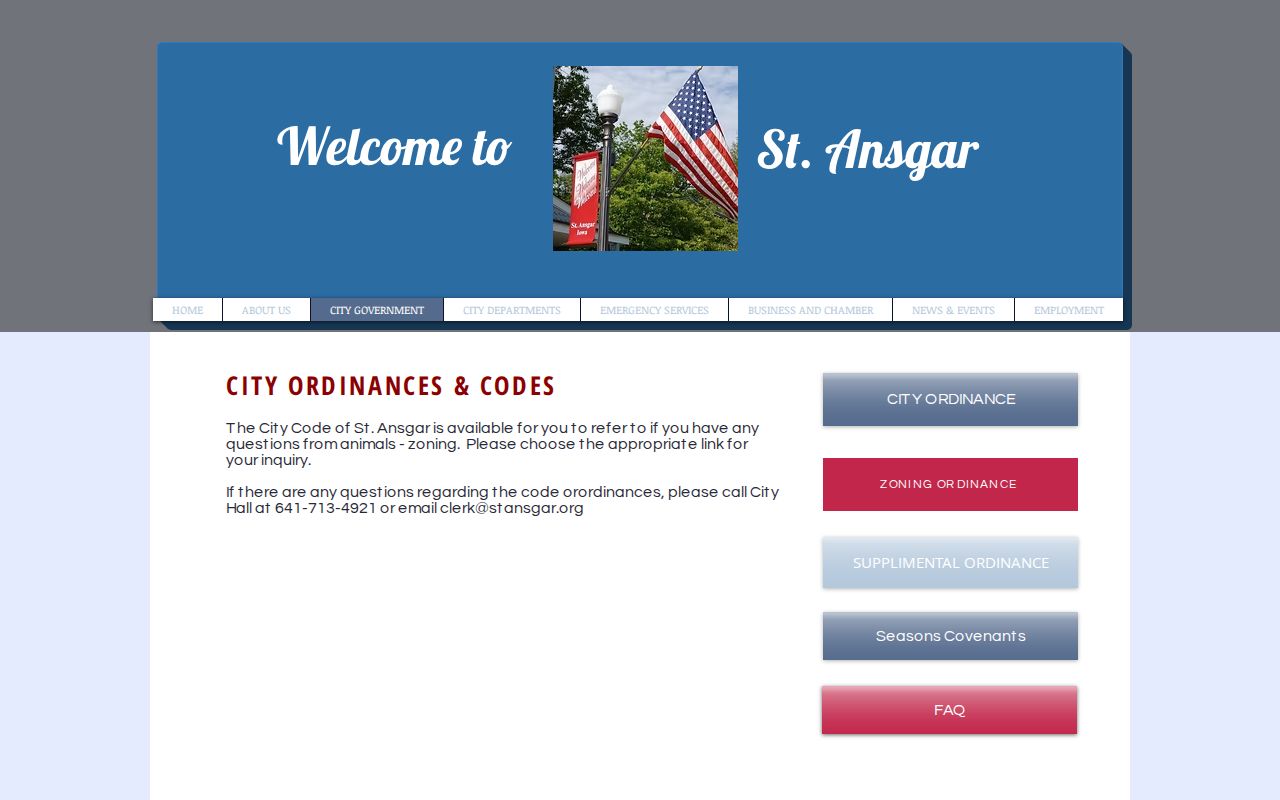
The ordinance source helps identify the rule cited. Iowa Courts Online or the clerk is still needed to determine whether a public District Court case exists.
- Municipal infraction
- A civil city-code enforcement action authorized by Iowa law.
- Citation
- An official allegation that may or may not be filed as a court case.
- Charge
- The offense the prosecutor formally brings in court.
- Disposition
- The recorded result, such as dismissal, acquittal, or conviction.
How St. Ansgar Records Reach the County
City police reports stay at the city level, while custody and prosecution move into county-held systems. The officer’s report supports the initial inquiry. The jail creates a booking when a person is lodged. The county attorney determines what to file, and the clerk creates the docket. The court later reports dispositions to DCI.
Record flow: St. Ansgar Police Department › Mitchell County Jail and Iowa District Court › Iowa Department of Public Safety, Division of Criminal Investigation
For a recent event, contact police and jail first. For the filed case and result, use Iowa Courts Online and the clerk. For a broader Iowa history, use DCI. County-wide court searching is explained in the Mitchell County case lookup.
St. Ansgar Civic Records History
The official St. Ansgar history traces the community to Norwegian immigrant farmers led by Danish minister Claus L. Clausen in 1853. The city took the name of a ninth-century missionary and later used the names “Garden Spot of Iowa” and “Home of the Albino Deer.”
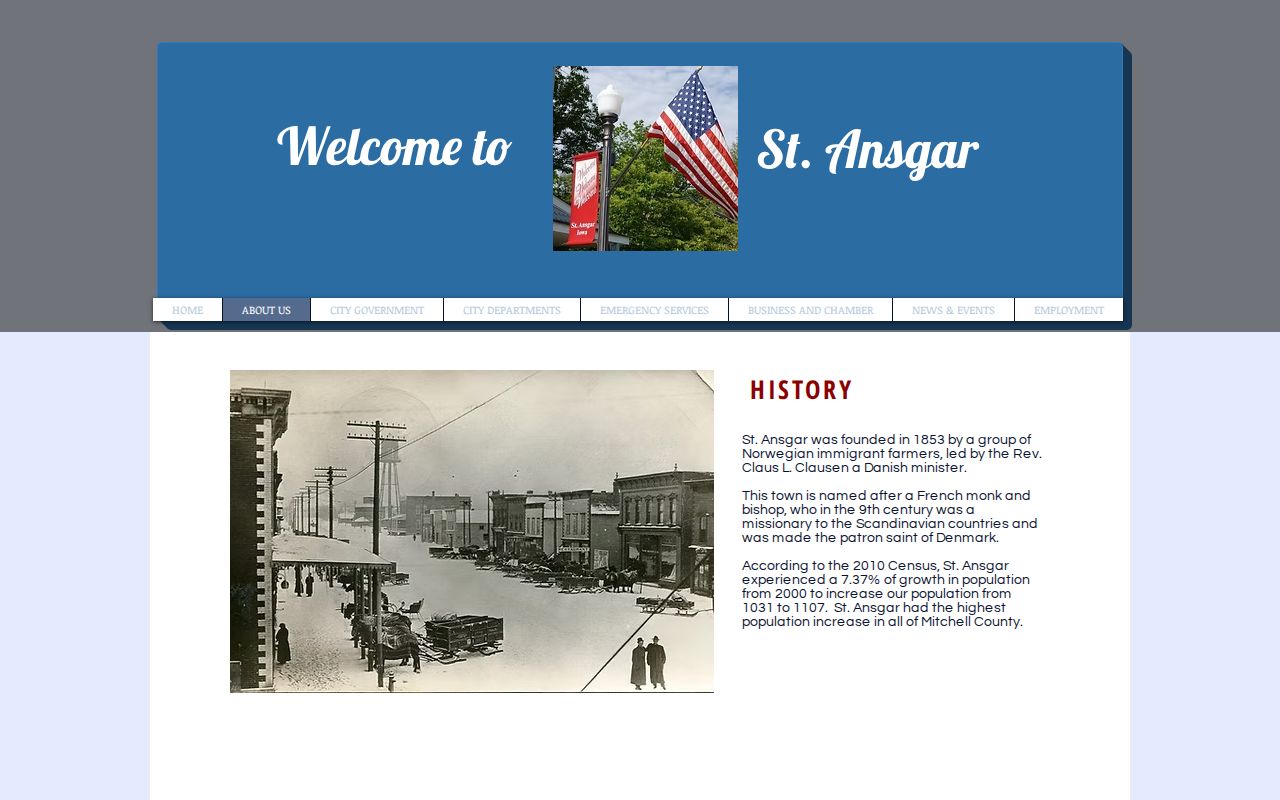
The history page is a local archival lead, not a criminal-record database. It helps place older civic material, while police files belong with the department and court files belong with the clerk.
The Nissen Library offers another city-record milestone. A 1925 bequest led to its first building, which was destroyed in a 1929 filling-station explosion. The present library and council building followed in 1930. That history makes City Hall a sensible starting point for civic archives, but not a substitute for the official police or court custodian.
Historical research may therefore begin at the city or library, then shift to the Mitchell County clerk when the subject is an old court case. The clerk’s holdings reach back to the county’s nineteenth-century beginnings. A modern police report, by contrast, remains a St. Ansgar department record even if a later charge appears in the county docket.
St. Ansgar Alerts Are Not Records
Mitchell County Alerts sends free voice, text, and email notices for community safety, though carrier charges may apply. It does not search police reports, bookings, warrants, or court cases. No verified St. Ansgar police app offers those tools either.
Use alerts for timely public notice. Use the named custodian for a record. This distinction prevents an emergency message service from being mistaken for an official criminal-history channel.
A person checking a past incident should still call St. Ansgar Police, identify the date and place, and request the city report. If the issue is present custody, contact the Mitchell County Jail. If it concerns a filed charge or final outcome, use Iowa Courts Online and the clerk. Those sources document events; an alert only sends a notice.
Save the incident number and the name of the responding office. Those details help St. Ansgar staff distinguish the source record from later jail and court entries.
St. Ansgar Record Access Rules
Iowa Code chapter 22 allows every person to inspect or copy public records, subject to exceptions. Requests can be made in person, by phone, in writing, or electronically. The city may recover reasonable direct costs. Police investigative files, confidential sources, juveniles, victims, protected identifiers, and other legally confidential material may be withheld or redacted.
Court records follow state law, court rules, and court orders. An unserved-warrant case may be confidential until service. Expunged and juvenile matters may not display. Ask for the specific releasable parts of a city report when the full narrative cannot be produced.
Key Statutes:
Iowa Open Records Law, chapter 22 grants access to public records and defines confidential categories.
Iowa Code chapter 692 governs DCI criminal-history dissemination and record challenges.
Iowa Rules of Electronic Procedure chapter 16 controls electronic court access.